





Pool construction checklist Costa Rica: inspections by stage
Dream Pool Design Costa Rica
Share this:
Building a pool in Costa Rica shouldn’t rely on guesswork. Most long-term problems happen when critical stages are not properly controlled—drainage is overlooked, waterproofing is rushed, equipment is undersized, or finishes are installed without the right specs.
This stage-by-stage checklist helps you supervise the project, request the right deliverables, and reduce expensive rework.
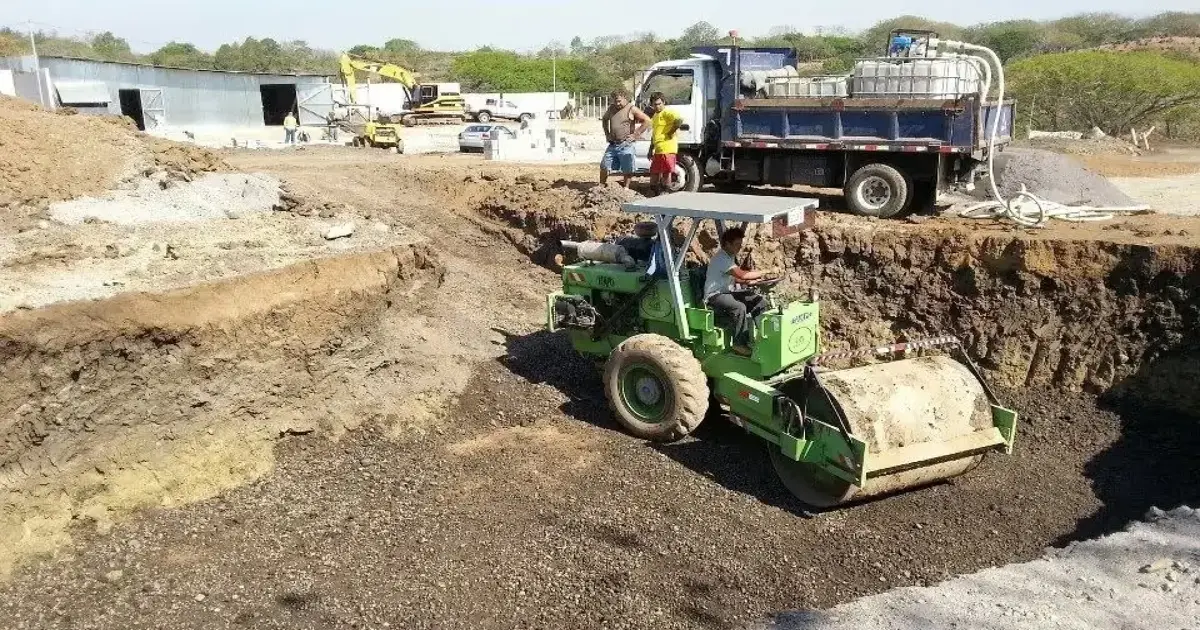
Before excavation: site, levels, and drainage
Before machinery arrives, confirm:
- Site evaluation (slope, fill areas, variable soils, and local moisture conditions).
- Finished levels: rainwater must never flow toward the pool or the equipment room.
- Perimeter drainage plan for the rainy season: where water goes and how it is discharged.
- Access and logistics for construction: materials, equipment, and maneuvering space.
- Overall plan: exact location, deck areas, technical spaces, and circulation.
Red flag
“We’ll figure it out on-site” with no drawings or technical criteria.
Technical design: hydraulics sized for Costa Rica
Tropical conditions increase operational demands. Verify:
- Real water volume and expected use (residential vs. heavy use).
- Proper suction/return layout to avoid dead zones.
- Filtration capacity sized for rain, dust, and organic load (leaves/sediment).
- Equipment room sized, ventilated, and drained.
- Plumbing routes with service access (valves/clean-outs for maintenance).
Important
Selecting equipment “to save money” with no capacity justification.
Structure: what you don’t see drives lifespan
This stage determines decades of performance.
- Reinforcement installed per engineering (not by guess).
- Extra reinforcement at stairs, benches, edges, and depth transitions.
- Proper detailing around penetrations (lights, fittings, plumbing passes).
- Level and tolerance control (critical for overflow/infinity systems).
- Proper curing time before finishing stages.
Warning
Design changes during structure with no recalculation or documentation.
Waterproofing: the most underestimated step
Many leaks come from joints and penetrations—not from “the concrete.”
- Waterproofing system defined early (not as an afterthought).
- Correct treatment of corners, joints, niches, and pipe penetrations.
- Water testing before finishes (with documented results).
- Compatibility between waterproofing, adhesives, and final finish.
Red flag
Minimal waterproofing or no testing.
Equipment and electrical: safety + durability
Humidity (and coastal corrosion) requires proper specs.
- Equipment rated for outdoor/humid environments with real technical support.
- Correct transformers and protections for lighting.
- Sealed connections and organized equipment room for maintenance.
- Lighting layout designed to avoid shadows and dark zones.
- If needed, basic automation: timers, controls, scheduling.
Red flag
Exposed wiring, improvised connections, “we’ll seal it later.”
Finishes and surrounding surfaces: aesthetics with real-world use
Finishes affect looks, comfort, and maintenance.
- Pool-rated materials (not “any tile”).
- Grout, joints, and sealants compatible with humidity and pool chemicals.
- Slip-resistant surfaces where needed (decks and wet zones).
- Correct slopes to prevent puddles, staining, and unsafe areas.
- Perimeter detailing (coping, deck, drainage) integrated into the design.
Red flag
Choosing finishes only by appearance or lowest price.
Commissioning: a proper start prevents future issues
A pool should be delivered stable—not just filled.
- Technical cleaning and full system verification.
- Initial water balancing and clear operating routines.
- Filtration schedule based on use and local conditions.
- Handover checklist: as-built drawings, equipment manuals, warranties, and maintenance plan.
Red flag
Handover with no documentation, no testing, and no guidance.
Final recommendation
In Costa Rica, the key isn’t just building a “beautiful pool”—it’s controlling critical stages with technical criteria. This checklist helps you catch risks early, request corrections when they’re still affordable, and achieve a pool that’s durable, efficient, and easier to maintain.

Helpful guides
Continue with these articles to make smarter decisions on design, equipment, and maintenance.